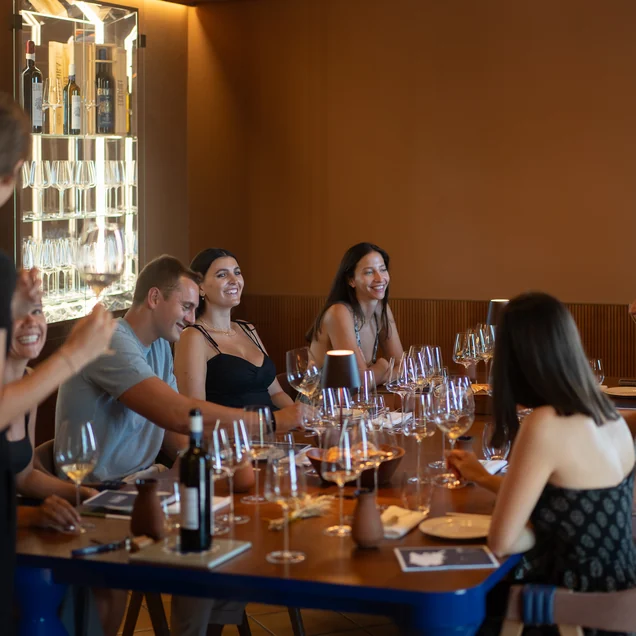
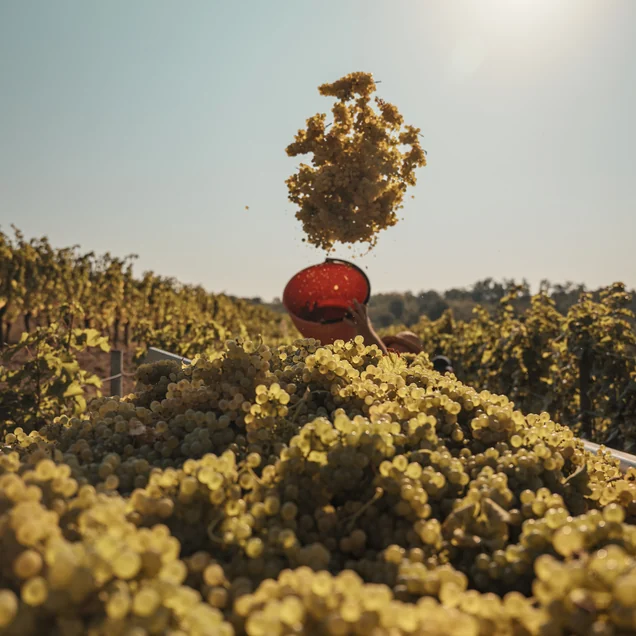
There’s a specific moment, when you arrive at the winery for the first time, when you’re not quite sure what to do: whether you can touch the grape clusters, whether it’s okay to ask questions, whether you’re supposed to drink the whole glass they poured for you or not. It’s normal, and it’s also the best part. Because from then on, almost the same thing happens every time: you relax, and the day becomes a memory.
Wine tourism in Friuli Venezia Giulia is exactly like this: no staged events, few formalities, and plenty of authentic experiences to see and taste. In this guide, we’ll explain how winery tours work in the Colli Orientali region, what to expect, and how to prepare so you can make the most of your first visit to our hills.
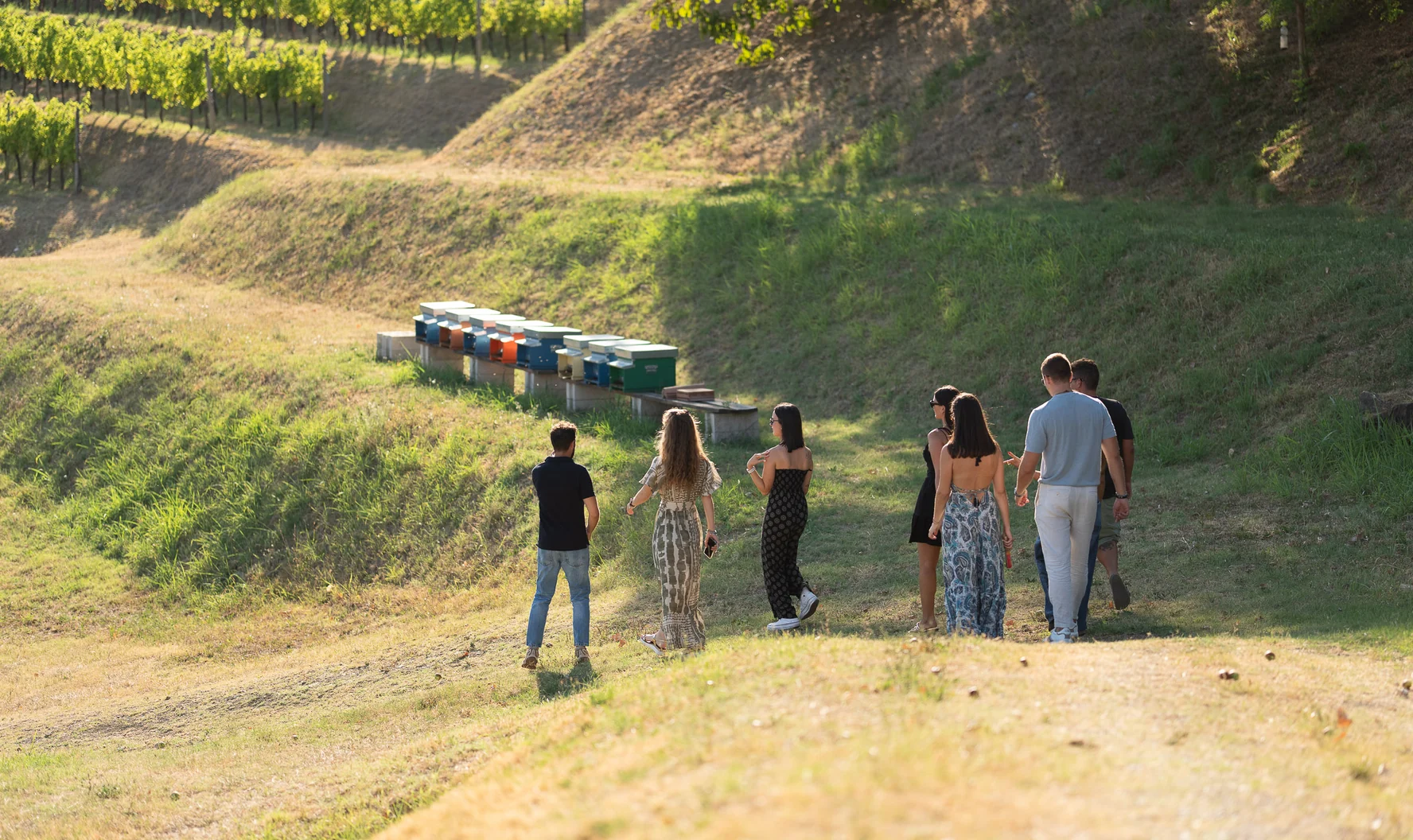
Friuli-Venezia Giulia is a small region with a surprising concentration of wineries: from the Karst to the Isonzo, from the Grave to the Collio, each area has its own character. The Friuli Colli Orientali, historically known as the Colli Orientali del Friuli, are perhaps the ideal starting point, as they combine landscape, biodiversity, and a variety of grape varieties that are hard to find elsewhere. If you’re looking for wineries to visit in Friuli and don’t know where to start, this is the best place to begin. If you’re planning a full day out, the itinerary through vineyards, villages, and wineries is right here.
Here, the vineyards grow at altitudes between 100 and 200 meters, on terraced hills protected by the Julian Pre-Alps and tempered by the breezes from the Adriatic Sea. The soil is called ponca—sandstone and marl that formed the seabed fifty million years ago—and it gives the wines the minerality you recognize from the very first sip. We explain this in detail on the Terroir page.
It is also home to native grape varieties such as Friulano, Ribolla Gialla, Refosco dal Peduncolo Rosso, and Pignolo, a rare red grape that we cultivate here with particular determination.
In other words: a visit to this area isn't just a wine tasting—it's a drinkable geology lesson.
There’s no such thing as just one winery tour. Here in Orsaria di Premariacco, we offer four different tours, which vary mainly depending on how long you stay for a meal after your walk through the vineyards.
A tour to learn how it all works: the vineyard, the winery, and then four wines chosen together with you, based on what you usually drink. If this is your first time at a winery, this is where we’ll start.
The same four wines, but paired with a platter from our neighbors: cheeses and cured meats from artisan producers within a few kilometers. “Wine and friends are paradise” —that’s not just a figure of speech around here.
Four wines with tailor-made pairings. This experience is for those who have already attended a few tastings and want to understand why certain pairings work and others don’t.
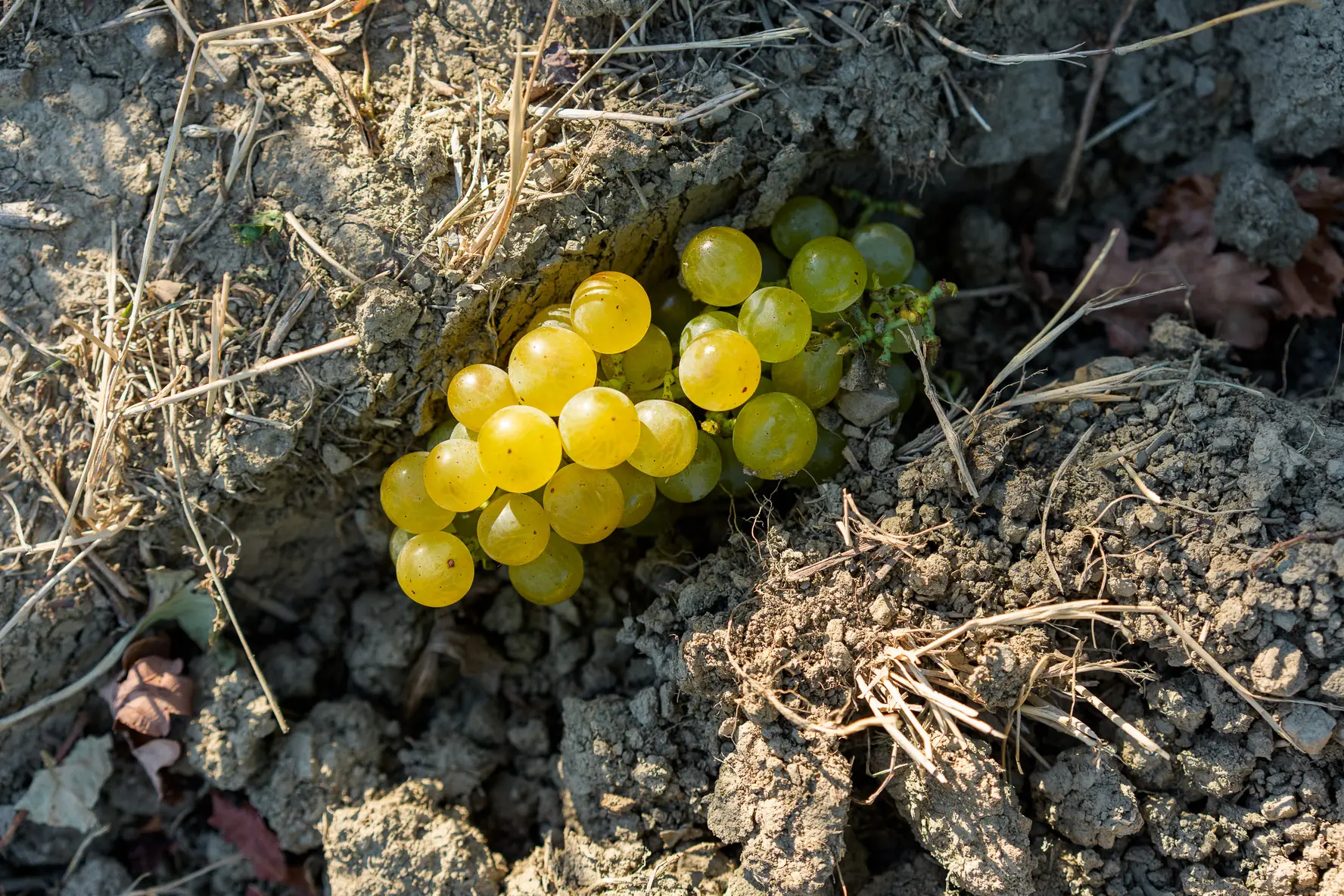
The only one you can’t plan for all year round: you get to taste the freshly harvested grapes, the grape juice, and the wine made from those same grapes. Three stages of the same thing, all in the same afternoon.
All four can be booked online, are conducted in Italian, English, or German, and accommodate groups of 1 to 16 people. Check the available dates.
Family-run wineries don’t have a front desk open all day: the person who’ll welcome you is probably pruning, decanting, or bottling. A message or a phone call in advance makes all the difference. You can book online by selecting a date and time on our “Visits and Tastings” page; if you’d rather talk to us first, you can reach us by phone or WhatsApp.
Between the vineyard, the winery, and the tasting, time flies: rushing through it is the best way to miss out on understanding anything about what you're drinking.
At a wine tasting, you sample various wines: if you're driving, you can use the spittoon without any embarrassment—it's a normal and accepted practice.
Wear closed-toe shoes if you're walking among the rows of vines, and a light jacket even in the summer—it's always cool in the cellar. And avoid strong perfumes, which can mask the wine's aromas.
Everyone: Why is that wine aged in wood? How is the grape harvest done? What’s the difference between one vineyard and the one next to it? There are no trivial questions—only curiosities you haven’t yet satisfied.
Spring brings beautiful colors and ideal temperatures; September is harvest time, when the winery is in full swing; winter is more intimate and quiet. Each season reveals a different aspect of the work.
Spring for the colors and the weather, September to see the winery in the midst of the grape harvest, and winter if you prefer the quiet and a more intimate visit. There’s no wrong season—it’s just what you see that changes.
No. Beginner's questions are the best, and your guide is used to answering them. If you want to come prepared, just read up on how to taste wine.
One and a half to two hours, 20 to 45 euros per person, depending on the experience. It’s best not to squeeze it in between two appointments.
Here in Orsaria di Premariacco, among the Montsclapade vineyards, the visit is simple: we’ll show you the wine’s journey from the soil to the bottle—no frills—and then we’ll sit down at a table with the wines that best represent this region. And, if you choose the experience that includes them, we’ll serve them with products from our neighbors. Choose the one that’s right for you, or give it as a gift to someone who loves wine.
We look forward to seeing you!